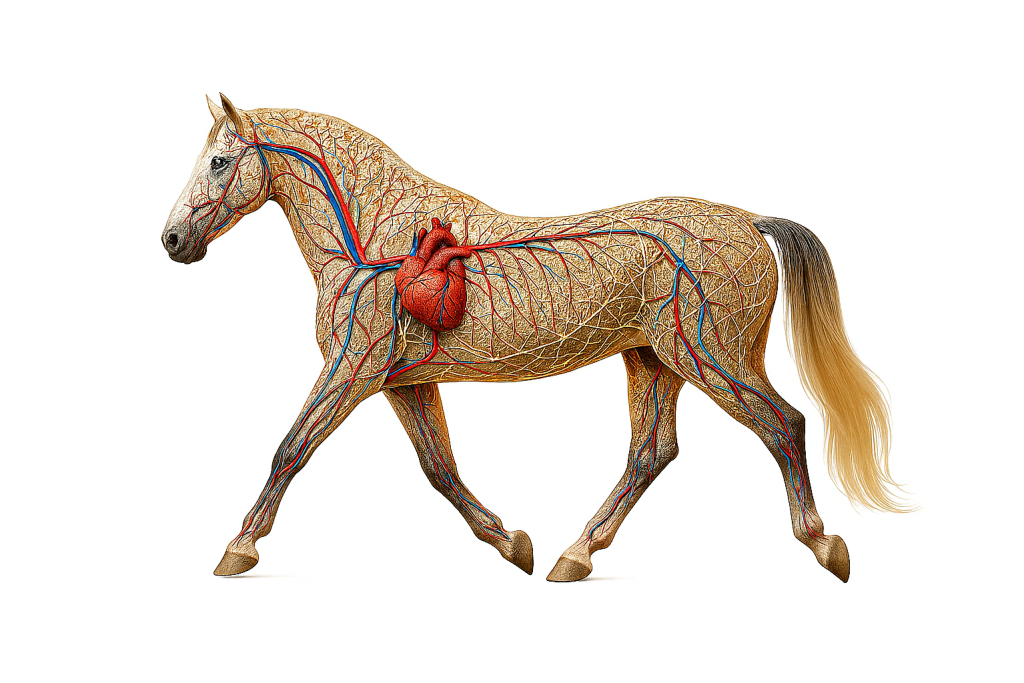
Fascia, the Prime Vascular System and Massage’s Effects on Them (The Body’s Hidden Highway)
The concept of fascia and the prime vascular system as an integrated communication network is a fascinating area of study, blending biomechanics, biophysics, and traditional medicine.
Fascia as a Communication Network
Fascia is a continuous web of connective tissue made primarily of collagen, elastin, and a gel-like extracellular matrix. It surrounds and integrates every muscle, bone, organ, nerve, and blood vessel in the body, connecting all parts into a unified whole. Recent studies show that fascia:
• Transmits mechanical forces: It plays a critical role in force transmission across muscles and structures, supporting movement and stability.
• Facilitates biochemical signaling: The fascia contains mechanoreceptors and sensory nerve endings that respond to stretch, pressure, and vibration, influencing the nervous system.
Prime Vascular System
The prime vascular system (PVS) is a more recently described anatomical structure, first identified in animal studies. It consists of microtubules that appear to be filled with structured fluid. Its functions are still under investigation, but it is hypothesized to:
• Facilitate communication via bioelectric and biochemical signals.
• Serve as a physical substrate for the flow of energy or “qi,” as described in traditional Chinese medicine (TCM).
• Contain stem cells, potentially playing a role in regeneration and healing.
Light, Sound, and Frequency Transmission
Both fascia and the prime vascular system are thought to have piezoelectric properties, meaning they can generate electrical charges when mechanically deformed (e.g., by movement or pressure). This property allows them to:
• Transmit bioelectric signals throughout the body.
• Influence cellular communication and tissue repair.
Structured water, which lines the fascia and PVS, may amplify these signals. Structured water is water that is organized in a hexagonal lattice at biological interfaces. It is theorized to facilitate energy flow and information transfer at a quantum level.
Connection to the Meridian System
The meridian system, central to TCM, describes pathways through which “qi” flows. Modern research suggests that the prime vascular system aligns closely with these pathways. Furthermore:
• The alignment of meridians with fascia and PVS suggests they may be anatomical correlates of energy flow described in TCM.
• Acupuncture points, often located along meridians, show distinct bioelectric properties, further linking these systems.
Implications
This integration of fascia and the PVS as a communication network provides a possible bridge between Western anatomical science and Eastern energy medicine. If confirmed, it could explain:
• How information (mechanical, biochemical, or energetic) is transmitted across the body.
• The effects of modalities like acupuncture, myofascial release, or vibration therapy on health and healing.
Research in this area is ongoing, and while much is theoretical, the findings could revolutionize our understanding of the body’s interconnected systems.
The Relationship Between Fascia, the Prime Vascular System and Massage
The relationship between fascia, the prime vascular system, and massage is profound, as these structures and their functions help explain the therapeutic effects of manual therapies like massage. Here’s how:
1. Enhancing Fascial Communication
Massage directly influences the fascia, which acts as a communication network in the body. By applying pressure, stretch, and movement:
• Mechanical Stimuli: Massage deforms the fascia, triggering piezoelectric effects that generate bioelectric signals. These signals can improve cellular communication and tissue repair.
• Hydration of Fascia: Massage helps redistribute structured water within the fascial layers, improving glide between tissues and optimizing the network’s ability to transmit information.
• Release of Adhesions: By releasing fascial restrictions, massage restores the continuous, integrated communication pathways of the body.
2. Facilitating Prime Vascular System Function
If the prime vascular system (PVS) serves as a conduit for bioelectric and energetic signals:
• Massage may enhance the flow of these signals by stimulating the PVS, particularly around acupuncture points and meridians that align with it.
• Techniques like acupressure or myofascial release may influence “qi” flow, aligning with traditional Chinese medicine principles.
3. Resonance and Frequency Effects
Massage techniques often involve rhythmic, wave-like movements or targeted vibrations. These may:
• Influence Frequency Transmission: By stimulating the fascia and PVS, massage can facilitate the movement of vibrational frequencies through the structured water in these systems.
• Harmonize Body Systems: Gentle, rhythmic strokes can “entrain” the body’s rhythms (e.g., heartbeat, breath) into a more coherent state, promoting relaxation and healing.
4. Reducing Inflammation and Stress
The communication network involving fascia and the PVS responds to massage by:
• Calming the Nervous System: Fascia is richly innervated with sensory receptors. Massage activates these receptors, triggering parasympathetic (rest-and-digest) responses, reducing stress and cortisol.
• Promoting Biochemical Balance: Massage can stimulate the release of endorphins, oxytocin, and serotonin, enhancing the body’s natural repair mechanisms.
5. Restoring Meridian Flow
If the PVS is linked to meridians:
• Massage techniques like Tui Na (Chinese therapeutic massage) or Shiatsu aim to improve the flow of “qi” along these pathways.
• Releasing blockages through manual therapy could help optimize energy flow, balancing the body’s systems.
6. Supporting Healing and Regeneration
Both fascia and the PVS contain elements critical for healing:
• Fascial Remodeling: Massage promotes fascial remodeling by stimulating fibroblasts to produce collagen and elastin.
• Stem Cell Activation: If the PVS contains stem cells, massage may indirectly activate them by improving circulation and reducing inflammation, enhancing the body’s repair processes.
Key Takeaways
Massage acts on the physical structures of fascia and the PVS, enhancing their role as communication networks. By restoring the flow of mechanical, biochemical, and possibly energetic information:
• Massage promotes balance, tissue health, and overall systemic integration.
• It aligns modern science (fascial and PVS research) with ancient practices (like acupressure or energy healing).
Fascia, the Prime Vascular System and Photbiomodulation
Red light therapy (RLT), also known as photobiomodulation, has a direct connection to the fascia and the primo vascular system (PVS) through its effects on cellular communication, tissue repair, and energy transmission. Here’s how it relates:
1. Light Absorption by Fascial Structures
Fascia contains collagen, which has unique optical properties. When exposed to red or near-infrared light, collagen absorbs and interacts with the photons, triggering several beneficial processes:
• Bioelectric Stimulation: The piezoelectric properties of fascia, combined with light energy, enhance the transmission of bioelectric signals through the body.
• Structured Water Activation: Red light can influence the structured water within fascia, improving its ability to transmit signals and energy. This amplifies the communication network facilitated by fascia and the PVS.
2. Cellular Effects on the Primo Vascular System
The PVS is hypothesized to contain stem cells and facilitate bioelectric signaling. Red light therapy may:
• Activate Mitochondria: Cells in the PVS and surrounding fascia respond to red light by increasing mitochondrial activity, boosting ATP (energy) production. This supports cellular repair and regeneration.
• Promote Stem Cell Activity: Red light stimulates stem cells, potentially enhancing the PVS’s regenerative functions.
3. Enhancing Frequency and Energy Transmission
Both fascia and the PVS are thought to transmit bioelectric and vibrational signals. Red light therapy enhances these properties by:
• Stimulating Resonance: The specific wavelengths of red light (typically 630-850 nm) can resonate with the vibrational frequencies of fascia and the PVS, optimizing their communication pathways.
• Improving Energy Flow: If the PVS serves as the anatomical basis for energy meridians, red light therapy may improve “qi” flow, similar to the effects of acupuncture or massage.
4. Reducing Inflammation and Pain
Red light therapy reduces chronic inflammation and pain by targeting the fascia and the PVS:
• Anti-Inflammatory Effects: Red light decreases the production of pro-inflammatory cytokines, reducing inflammation in fascial tissues.
• Pain Reduction: By calming sensory nerves in the fascia and activating natural pain-relief mechanisms, red light can alleviate discomfort and improve mobility.
5. Complementing Massage Therapy
When combined with massage therapy, red light therapy enhances the effects on fascia and the PVS:
• Hydration and Elasticity: Red light improves tissue hydration and collagen synthesis, enhancing the pliability of fascia and its responsiveness to manual therapy.
• Synergistic Repair: The increased circulation and cellular activity from massage and red light amplify healing in fascial and PVS structures.
• Enhanced Energy Flow: Massage stimulates mechanical signals, while red light adds photonic energy, creating a comprehensive approach to restoring communication pathways in the body.
6. Supporting Meridian System Balance
The overlap between the PVS and meridian pathways makes red light therapy particularly relevant in traditional Chinese medicine contexts:
• Red light stimulates specific acupressure points, aligning with the PVS and promoting energy balance.
• It provides a non-invasive way to activate meridian flow, complementing techniques like acupressure or myofascial release.
Practical Applications of Red Light Therapy for Fascia and the PVS
1. Injury Recovery: Use red light to stimulate healing in areas with fascial adhesions or inflammation.
2. Chronic Pain Management: Apply to areas of tension or trigger points in the fascia for pain relief.
3. Pre-Massage Preparation: Red light therapy before massage helps warm and relax the fascia, enhancing the therapist’s ability to release restrictions.
4. Energy Balancing: Target acupuncture points with red light to promote flow along meridians.
Conclusion
Red light therapy enhances the function of the fascia and the PVS by improving cellular communication, energy flow, and tissue repair. Its synergy with massage therapy offers a holistic approach to promoting health and well-being, bridging the gap between traditional practices and modern biophysics.
For recognition of the work presented by ENA for equine 🐴 learning purposes we would like to thank all the authors, photographers, graphic designers, cameramen, videographers,
IT technical wizards, presenters, hosts, industry experts, veterinary doctors, nutritionists, surgeons, universities, research facilities ALL devoted & dedicated to the HORSE from across the globe 🌎
All photographs or slides are taken from the respective person or company’s Website or Facebook page with the only intention of sharing their work, business & identities for learning purposes & for readers or viewers to be aware of their fantastic contributions to the Equine Community.
If there are any errors in the text, photo source credits or any other issues or if you would like anything or all removed from this feature as owner or author Please feel free to DM/ Email Us & We would be only too happy to rectify or fix as soon as possible – Thanks.